
Future of Online Education in India
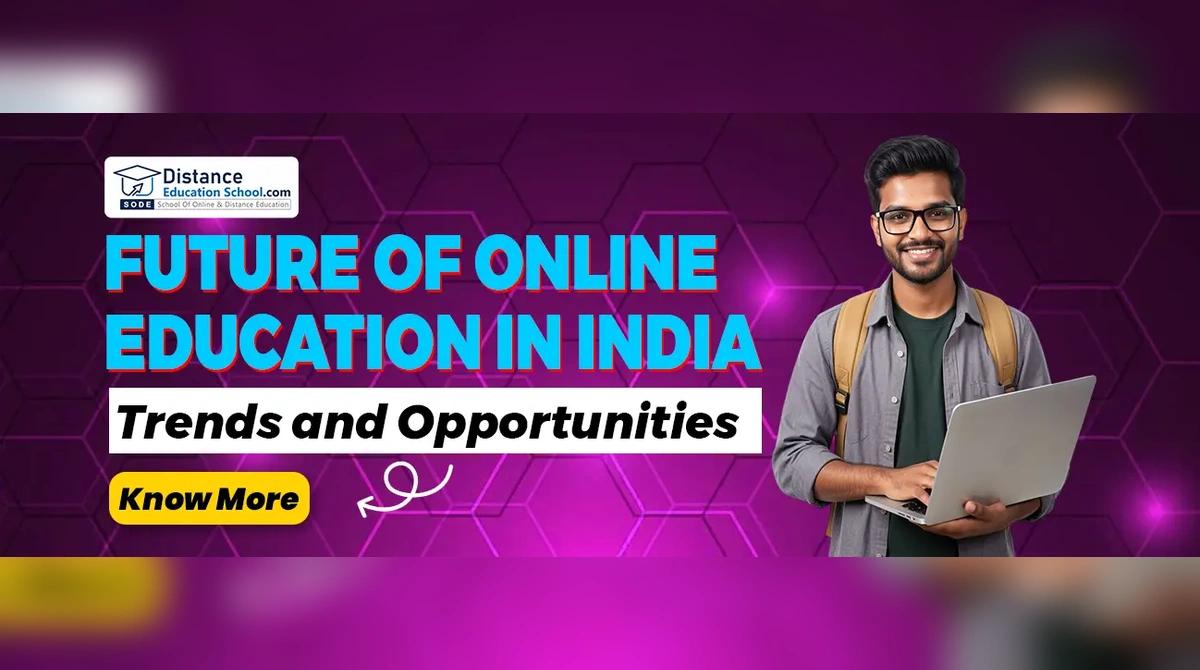
If you want to understand the future of online education in India and explore the opportunities it will create for both students and educational institutions, read this article till the end. As we all know, over the last 6-7 years, especially after the coronavirus pandemic and lockdown, Zoom classes, Google Meet, Online Degrees, Diplomas, and Certificate courses have become a part of learning in schools and colleges. With affordable data packs, strong internet connectivity, and budget-friendly smartphones, digital education in India is expected to grow at a very fast rate in the upcoming 10 to 15 years.
This article will help you analyze the future of online education in India, along with the latest trends and better opportunities. But before that, let us talk about online education and how it works.
What is Online Education and How Does it Work?
Online education is an advanced and flexible learning method designed for the convenience of students and working professionals who cannot attend regular classes. This mode of learning helps them to pursue their studies without relocating to another city or paying extra transportation and accommodation costs due to education. In this mode, students study through LMS and self-learning materials such as digital notes, pre-recorded lectures, and e-books. They also have the option to attend live classes where they can interact with their course faculty. Students also have the flexibility to choose their exam dates and centre.
The validity of an online degree, diploma, or certificate depends on the institution offering the course. Online degree courses and PG diplomas from recognized universities require UGC-DEB approval, while short-term certificates and executive courses are offered under institutional autonomy and do not need separate UGC-DEB approval. Students who are looking for guidance on choosing the right university or course can also seek support from platforms like Distance Education School.
Key Trends Shaping the Future of Online Education in India
1. Rise of Online Degree Programs- Many universities and colleges in India offer UGC-DEB-approved online degree courses. These universities help students earn a valid degree without attending regular classes. Online education is expected to grow more as more universities will launch online courses in the future.
2. Artificial Intelligence in Education- Artificial Intelligence (AI) is the latest technology that is in demand in India and around the world. This technology also created a huge impact on students' learning. AI-powered tools can personalize learning experiences, recommend better study materials, track student performance, identify learning gaps, and provide instant feedback. In the future, AI tutors and virtual assistants will become very common in online classes.
3. Micro-Credentials and Certification Courses- Nowadays, employers are focusing more on the skills of an employee in comparison to their degree. As a result, short-term certification online courses in data science, digital marketing, artificial intelligence, cyber security, cloud computing, business analytics, and graphic design help students to gain industry-relevant skills.
4. Mobile Learning- In India, most people watch online content through their smartphones. Therefore, educational institutions are also focusing on mobile-friendly platforms to provide better learning experiences. Mobile helps students to attend classes from their homes. They can also study and download study materials, watch live classes, and pre-recorded lectures. Students can also take online assessments through their smartphones.
5. Hybrid Learning Models- The future of online education in India is not completely online or offline. Many universities are adopting hybrid learning models that combine online and offline methods. This helps in better student engagement, teacher-student interaction, flexible learning schedules, and better learning outcomes. A hybrid approach helps students to complete their education with comfort and flexibility.
6. Virtual Reality and Augmented Reality Learning- Virtual Reality (VR) and Augmented Reality (AR) are advanced technologies that are creating better learning experiences. Through these technologies, students can easily conduct virtual science experiments. They can also explore historical sites digitally and participate in training sessions. Students can also learn complex concepts easily through visualization, and make online education more engaging and interactive.
7. Industry-Oriented Curriculum- There are many universities and EdTech companies that are collaborating with industry experts to design industry-oriented courses. In the future, there will be online courses that include more live industry projects and business case studies.
Opportunities for Students
Access to Quality Education- Students from remote areas can easily take admission in courses offered by top private and government universities without relocating to another city. This will also help reduce their financial burden and save their time.
Flexible Learning- Digital education in India allows students to learn from their own place and manage their studies according to their work schedules and other personal commitments.
Affordable Education- Many online courses are more affordable in comparison to regular courses because online learning reduces expenses related to travel, accommodation, and campus facilities.
Skill Development - E-learning helps students to continuously upgrade their skills through online degrees, diplomas, certifications, and specialized training courses. These programs help students learn skills that will help them in cracking high-paying jobs.
Global Learning Opportunities- Online platforms provide access to international courses, expert instructors, and global learning communities. These platforms also help in learning from the international faculty.
Opportunities for Universities and Institutions
Expanded Student Reach- Online education helps universities, colleges, schools, and other institutions expand their student reach. In online classes, they can enroll students from different states and even international locations.
Increased Revenue Streams- Online learning helps universities expand their reach and generate additional revenue streams. Apart from regular courses, they can also charge fees for online courses. It will create extra income for them, and they can use this money to improve their digital infrastructure.
Improved Learning Analytics- Digital platforms provide data on student engagement and performance of the program. Their data can easily track the engagement rates and also analyse the performance of each program. This will also help universities to improve their course quality.
Better Resource Utilization- Universities can deliver educational content to thousands of students simultaneously through digital platforms. So, this is the biggest benefit of online education for universities and other educational institutions because they can easily utilize their resources in a very efficient way to produce a better output.
Government Support for Online Education
The Government of India supports online education through UGC-DEB. The Distance Education Bureau (DEB) under UGC regulates online and distance education in India and approves eligible universities to offer online degree programs. Here are some initiatives through which the government is promoting a better future of online education in India:-
Digital India Mission
SWAYAM
DIKSHA
National Education Policy (NEP) 2020
e-PG Pathshala
Future Career Opportunities Created by Online Education
The expansion of online education will create more demand for various professions in the next 10-15 years. These careers are expected to grow at a very fast rate because of e-learning. Check out the list of job profiles that will get more opportunities in the future due to the rapid growth of online education:-
Online Tutors
Instructional Designers
Learning Experience Designers
Educational Content Writers
EdTech Specialists
AI Learning Developers
Digital Marketing Professionals
Online Course Creators
Virtual Classroom Trainers
Educational Consultants
Conclusion
The future of online education in India looks highly promising because of the growing population of students and internet literacy. With advanced technology, government initiatives, easy internet access, and growing acceptance of online degrees by employers, students are considering this mode of learning as their first option. As India moves toward a digitally connected future, online education will play a very important role in making education accessible to millions of students across the country.